

How to Secure Your Wi-Fi Network
In the globalized environment, the local network of the Wi-Fi is your portal to the world of the Internet. It connects your phone, your laptop, your smart Television and even your house devices. My personal information may be in danger in case your network is not secure. This is what many people pay no attention to until the situation goes awry. Learning How to Secure Your Wi-Fi Network is a not-easy but a very significant thing. Easy steps will be taken in this guide. All the steps are straightforward and guided by practice and excellence. At the end of it, you would have no second thoughts about being a safe and secure internet user.
Why Wi-Fi Security Matters
A poor network will enable strangers to gain access to your internet. Speed They can slack you or hack your information. Even in other cases, they are also able to monitor your online traffic. This is why it is necessary to know How to Secure Your Wi-Fi Network. Your privacy is guaranteed by a secure network. It also takes care of your appliances against malware and hacking. Reforms can be very small but very significant.
Changing the Default Network Name.
Both routers also have default names which are supplied. This is called the SSID. Based on this name hackers are able to determine the type of router. That makes attacks easier. Transform it to something new. Please do not use your name or address. After that make it simple but not intuitive. This is among the initial processes in How to Secure Your Wi-Fi Network.
Use a Strong Password
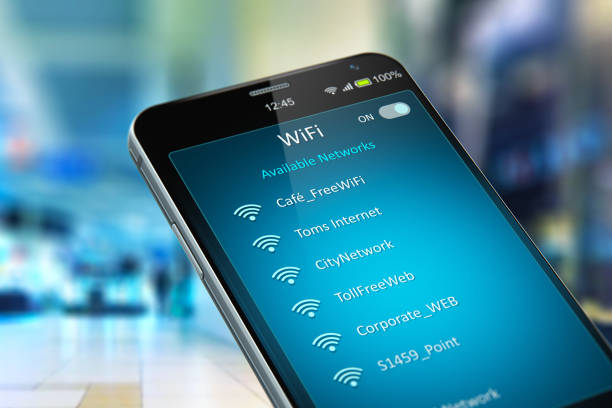
Your password to Wi-Fi must be powerful. Do not work with such easy words as 123456, or password. Particularly letters, numbers and symbols. Should be long enough to entice (12). A powerful password does not allow easy access. It is a key part of How to Secure Your Wi-Fi Network. New passwords should also be changed every few months.
Enable WPA3 or WPA2 Encryption
The security of your information is ensured with encryption. It complicates the relationship to others. Modern routers support WPA3. Older ones use WPA2. Always take the best one that comes along. WEP should be avoided because it is an outdated and insecure communication tool. Such a step is very important when learning How to Secure Your Wi-Fi Network.
Update Your Router Firmware
The routers require updates similar to the phones and computers. These releases are bug fixes and security enhancements. Our router settings are generally updated. Install them regularly. This ensures that your network is free of any emerging threats. There is a high likelihood of many users not taking this step; however, it is essential to How to Secure Your Wi-Fi Network.
Disable Remote Access
There are routers which are remotely controllable. It is a rather dangerous feature when not necessary. Turn it off unless you use it. This lowers the possibility of external invasion. It is an easy and efficient measure to enhance safety during the application How to Secure Your Wi-Fi Network.
Use a Guest Network
Do not use your general password in case visitors require access to internet. Instead develop a guest network. This is to make your major devices apart. Having confidential information, your personal information is still not compromised in case of guest network being affected. This is a smart strategy in How to Secure Your Wi-Fi Network.
Hide Your Network (Optional)
You can fix your Wi-Fi name out of the view of people. This gives an additional privacy. Your network will not be included in the list of people. Only the informed can make connections with the name. Although it is not flawless, it helps you in How to Secure Your Wi-Fi Network.
Limit Connected Devices
Scan connection to your network. Remove unknown ones. Majority of routers indicate a list of active devices. This can assist you to detect any form of suspicious activity. Having possession of the devices which people have connection with is a significant aspect of How to Secure Your Wi-Fi Network.
Turn Off WPS
The wi-fi protected set-up (WPS) is designed to simplify connections. But it has security flaws. Hackers can exploit it. You have to switch it off in your router. It is merely a step that enhances your How to Secure Your Wi-Fi Network.
Use a Firewall
Numerous routers are equipped with firewalls. Make sure yours is active. A firewall allows unwanted traffic to be blocked out. It serves as a protection of your network. Another level of protection is added to practice How to Secure Your Wi-Fi Network.
Place Your Router Smartly
Router placement matters. Have it in the middle of your house. It should not be in close vicinity of the windows or external walls. This limits signal leakage. It is a router and it is in the right place to assist your objective of How to Secure Your Wi-Fi Network.
Monitor Network Activity
Data on network access should be checked regularly. Look for unusual behavior. Slow internet connection may be an omen. There are numerous applications that assist in tracking usage. Remaining conscious is important in learning How to Secure Your Wi-Fi Network.
Use VPN for Extra Security
An additional security is provided by a Virtual Privatized Network (VPN). It has encrypted your online traffic. This comes in handy in the retrieval of sensitive data. Although not a prerequisite it augments your How to Secure Your Wi-Fi Network.
Build Good Security Habits
Security is not a task in itself. It is a habit. Update passwords. Check settings. Knowledge regarding new threats. Regular work will guarantee the safety in the long run.
Conclusion
It is not so difficult to secure your Wi-Fi network. Big effects can be achieved by small components. Using good passwords to changing your router, every single step will help in securing you. Beware, be informed and provide security to your online space.
FAQs
1. Which frequency are my passwords to change my Wi-Fi?
One is better to replace it after every 3 to 6 months.
2. Is WPA3 better than WPA2?
Yes, WPA3 is better-protected and is more secure.
3. Am I an easy mark to a Wi-Fi hacker?
It is possible in case of a weak network of yours. Powerful environments alleviate this threat.